
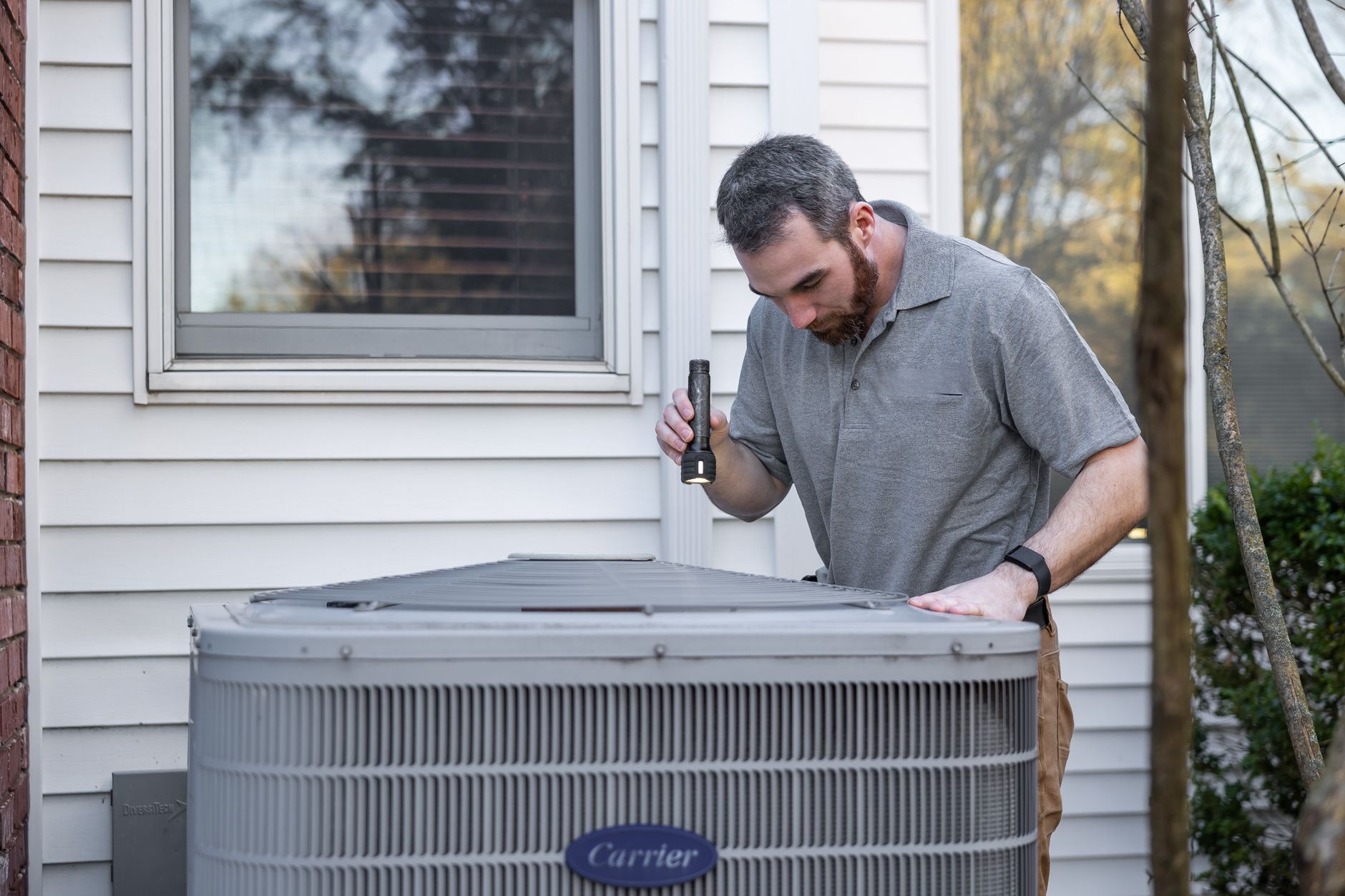
The Glove Problem: Why HVAC Techs Miss Calls on the Job
Capacitive smartphone screens require bare skin. HVAC service work requires cut-resistant Kevlar, high-voltage rubber, or heavy leather gloves. Here is the operational reality of the 'glove friction' that costs mechanical shops tens of thousands in lost calls.

AIRI
Modern smartphones are marvels of consumer engineering. Their displays rely on projected capacitive touch technology—detecting tiny electrical charges transferred from the conductive moisture in human fingertips to register taps and swipes.
They are designed for people sitting at desks, riding trains, or walking through grocery stores.
They were not designed for an HVAC service technician wearing ANSI Cut Level 4 Kevlar gloves while sliding their hands inside the razor-sharp sheet metal cabinet of a 15-year-old package unit.
This technological mismatch creates what field service consultants call The Glove Problem. It is one of the most persistent, unaddressed operational bottlenecks in residential trade businesses, directly responsible for thousands of missed calls every single month.
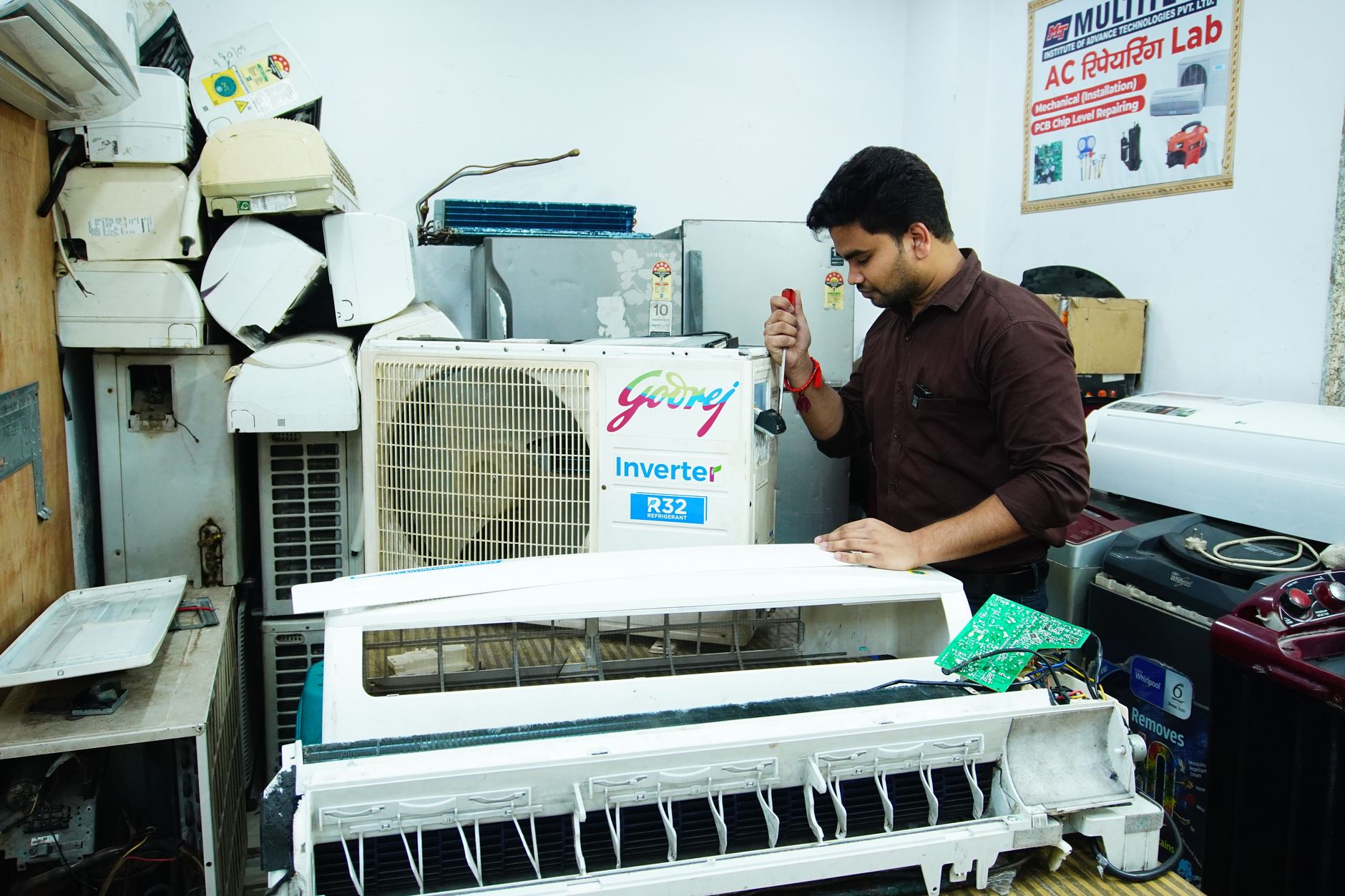
The Four Types of Gloves That Block the Phone
To understand why HVAC technicians can't "just tap the phone," you have to understand the personal protective equipment (PPE) required across standard residential service tasks:
1. Cut-Resistant Sheet Metal Gloves
Galvanized steel ductwork, plenum transitions, and furnace chassis are lined with microscopic razor edges. A single slip without cut-resistant gloves results in deep tendon lacerations. ANSI Cut Level A3 or A4 gloves are constructed with woven fiberglass, Kevlar, or high-performance polyethylene (HPPE). They are thick, rigid, and completely non-conductive.
2. High-Voltage Electrical Protectors
When diagnosing high-voltage compressor contactors, transformers, and dual-run capacitors carrying 440-volt charges, technicians wear ASTM D120 Class 0 rubber insulating gloves covered by heavy cowhide leather protectors. Operating a capacitive smartphone screen through a quarter-inch of vulcanized rubber is physically impossible.
3. Chemical-Resistant Nitrile Gloves
During coil cleanings, technicians spray aggressive alkaline or acid-based foaming solutions to strip grease, dirt, and biological growth from aluminum condenser fins. Touching an iPhone screen with hands coated in coil cleaner permanently dissolves the oleophobic anti-fingerprint coating on the glass and corrodes speaker grilles.
4. Heavy Leather Brazing Gauntlets
Handling oxy-acetylene torches and silver alloy rods requires thick split cowhide gauntlets that resist temperatures exceeding 1,000°F. They do not bend easily, and they do not operate smartphones.
The 25-Second "Peel and Squeeze" Penalty
What happens when an inbound lead calls while a technician is troubleshooting a unit?
The phone rings in the technician's pocket. To answer it manually:
- Tool Disengagement (4 seconds): Put down the digital manifold gauges, multimeter probes, or magnetic nut driver.
- Glove Removal (12 seconds): Sweat-soaked leather or tight nitrile gloves do not slide off easily. The technician has to peel them off finger by finger.
- Pocket Retrieval (5 seconds): Dig a slippery smartphone out of a heavy tool pouch or canvas pocket with sweaty hands.
- Unlocking Friction (4 seconds): FaceID frequently fails because the technician is wearing safety glasses, a dust mask, or has grease on their brow. TouchID fails because fingers are wet with sweat.
By the time the technician finally swipes the screen, the call has already disconnected. The caller listened to four rings, hit voicemail, and immediately dialed the next contractor on Google.
The Productivity Cost of "Phone Tag"
Even when technicians manage to answer the call, stopping work to pull off PPE destroys billable efficiency.
If a technician receives six incoming customer or vendor calls during an eight-hour shift:
- Pulling off gloves, answering the call, scribbling down an address on a notepad, and putting gloves back on takes an average of 7 minutes per interruption.
- Six calls consume 42 minutes of unbillable time every day.
- Over a year, that totals 175 hours of lost technician productivity per truck—wasting more than $8,700 in direct labor cost.
Worse, rushing back into mechanical work with partially fitted gloves increases the risk of sheet metal lacerations and electrical flash shocks.
The Solution: Leave the Phone in Your Pocket
Contractors shouldn't have to choose between keeping their skin intact and answering customer inquiries.
AIRI was built to handle customer intake without requiring technician intervention:
- Zero Touch Required: AIRI answers on ring two directly from the cloud.
- Flawless Technical Qualification: AIRI collects the customer's equipment symptoms, home address, and unit age while your technician stays fully focused on the repair.
- Direct Scheduling: The job is booked and dispatched straight to your software.
Your technicians keep their safety gloves on, stay focused on precision mechanical work, and never drop another tool to answer a ringing phone.
Keep Your Gloves On. Keep Your Schedule Full.
Don't let capacitive smartphone screens dictate your shop's revenue or compromise field safety.
AIRI answers every call instantly, books appointments 24/7, and keeps your technicians productive for a flat $199/month.
Start your 7-day free trial of AIRI →
No credit card required. Takes less than 5 minutes to set up — go live in under 10 minutes.
Written by AIRI
AIRI is the 24/7 AI phone receptionist built for trade contractors. We write practical guides to help plumbers, HVAC techs, electricians, and roofers run a tighter business and never miss a paying job.
Try AIRI free for 7 days →
Stop losing $5,000 jobs
to voicemail.
AIRI picks up on ring two, qualifies emergencies, quotes your rates, and books appointments — while you stay on tools.
Takes less than 5 minutes to set up · Go live in under 10 minutes · No credit card required