

The First 20 Seconds: Why Whoever Answers First Gets the Job
During a home emergency, a homeowner's decision to hire is made in the first 20 seconds of the call. Here is the operational anatomy of the opening interaction that wins 78% of emergency jobs before competitors even pick up the phone.

AIRI
At 8:14 PM on a damp Thursday evening, Dave, an owner-operator running a three-truck residential plumbing shop in suburban Ohio, was in the back of his van organizing 3/4-inch copper press fittings.
His cell phone buzzed in his cargo pocket. He felt the vibration, reached down through his work gloves, and saw an unfamiliar local area code.
He had two press fittings in his left hand and a battery-powered crimping tool in his right. He thought to himself: "Let it ring through to voicemail. I’ll finish this shelf and call them back in five minutes."
Seven minutes later, Dave climbed into the driver’s seat, checked his visual voicemail, and saw a 3-second recording: just the sound of a phone clicking off.
He called the number back immediately. A woman answered on the second ring.
Dave introduced himself: "Hi, this is Dave from Buckeye State Plumbing. I just saw a missed call from this number?"
The woman replied with complete indifference: "Oh, thanks Dave. We had water pouring through the ceiling light fixture from the master bath. But someone else picked up right away and they’re already on their way."
That call was a burst copper supply line on a second-floor vanity. It required immediate water extraction, ceiling drywall demo, and a complete PEX repipe.
The invoice total came out to $7,450.
Dave lost the entire job because of twenty seconds of unanswered ringing.
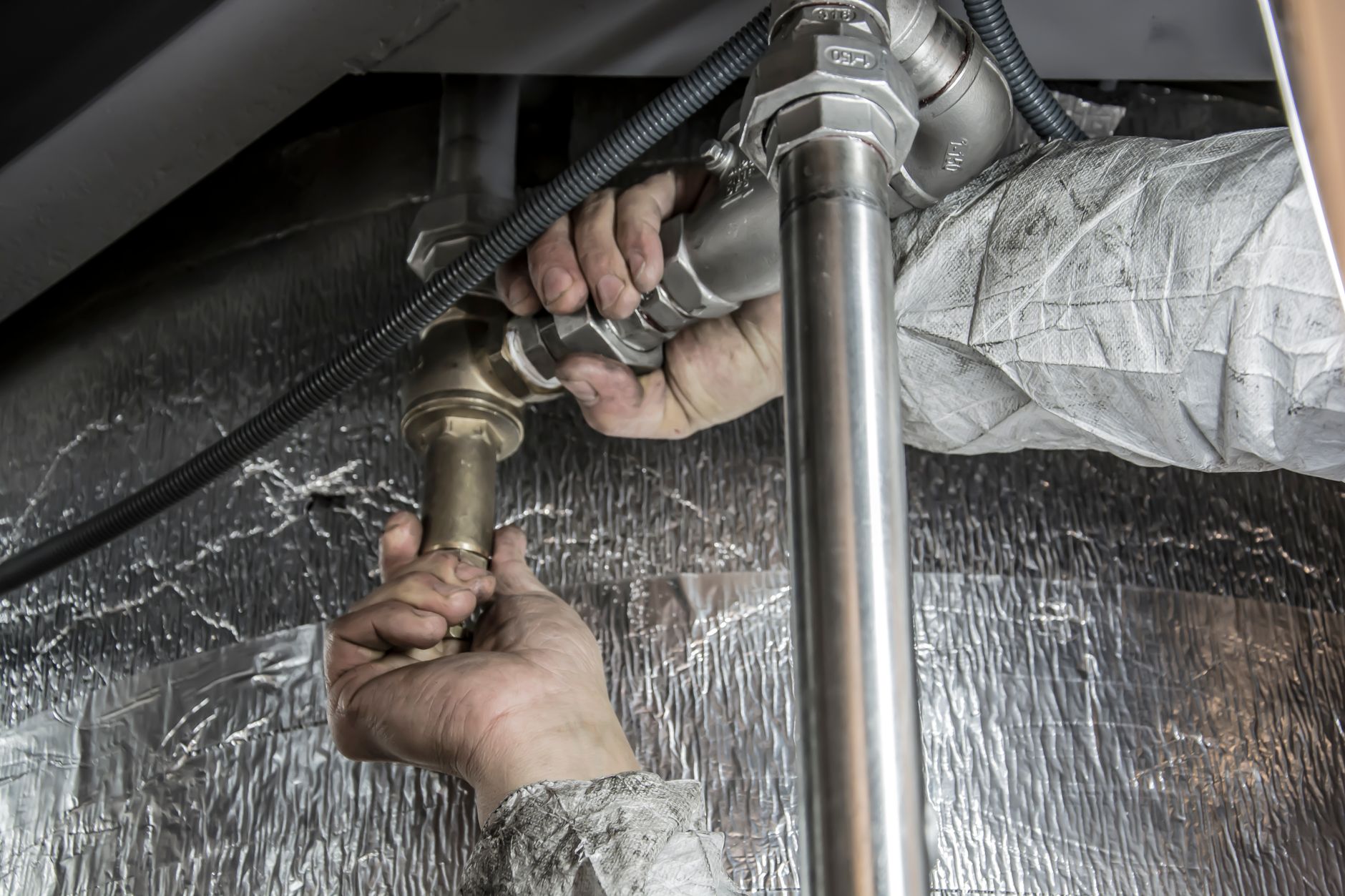
The Anatomy of the 20-Second Window
Why does an emergency customer commit so quickly?
To understand caller behavior, you have to understand the acute cognitive stress of an active household crisis:
- Seconds 1 to 8 (The Ringing Phase): The homeowner is listening to the ring tone while staring at an active leak, smelling electrical smoke, or listening to a furnace short-cycle in freezing temperatures. Every ring feels twice as long as it actually is.
- Seconds 9 to 14 (The Pick-Up or Disconnect): If the phone rings more than four times, caller abandonment surges. If an answering machine tone sounds, 85% of callers hang up instantly.
- Seconds 15 to 20 (The Relief Threshold): If a live, professional voice answers and immediately conveys capability, the homeowner’s adrenaline drops. The subconscious decision to hire occurs right here.
If you answer on ring two, you are not competing on price. You are competing on immediacy.
The Four Questions That Lock In the Booking
Winning the job in the first 20 seconds doesn't require a high-pressure sales pitch. It requires structured, competent intake.
When an anxious caller reaches an experienced dispatcher, they want to hear four specific things executed with total calm:
1. Clear Professional Identity
"Thanks for calling Buckeye Plumbing, this is AIRI. Are you dealing with an active water leak right now?"
Acknowledging the emergency in the very first sentence validates their anxiety and demonstrates immediate focus.
2. Immediate Safety Triage
"First, do you know where your main water shutoff valve is located? If it's safe to reach, go ahead and turn it clockwise right now to protect your floors."
Giving immediate, practical instructions establishes unquestioned technical authority. The customer immediately trusts that you know what you are doing.
3. Clear Diagnostic Fee Disclosure
"Our emergency dispatch fee is $149, which covers the technician’s arrival, full diagnostic inspection, and a guaranteed written quote before any work starts."
Transparent pricing builds trust. Customers in an active crisis do not want evasive answers; they want certainty.
4. A Committed Arrival Window
"We have a technician clearing a job in your area now who can arrive between 9:00 PM and 10:30 PM tonight. Would you like me to lock that slot in for you?"
The moment the customer confirms the arrival window, the hiring transaction is complete. They close their phone browser, put down their towel, and wait for the van to arrive.
Why Answering "Fast Enough" Is a Myth
Contractors often pride themselves on being "fast enough." They believe that returning calls within 10 to 15 minutes is excellent customer service.
In non-emergency commercial remodeling or planned maintenance, that may be true. But in residential emergency service, "fast enough" does not exist.
By the five-minute mark, your competitor has already:
- Collected the customer's street address.
- Secured credit card pre-authorization for the diagnostic fee.
- Dispatched an on-call technician via GPS routing.
When you call back at minute seven, you are not participating in a sales opportunity. You are interrupting a homeowner who has already solved their problem with someone else.
How AIRI Captures the First 20 Seconds Every Time
You cannot answer your phone while brazing copper in an attic, maneuvering an auger through a root-filled sewer cleanout, or pulling 4/0 aluminum conductors into a meter base.
Trying to do both ruins your workmanship and compromises your personal safety.
AIRI was built to eliminate this compromise permanently.
Operating as your dedicated 24/7 AI phone receptionist, AIRI:
- Picks up every call on ring two (under 8 seconds).
- Identifies the emergency vertical and asks the appropriate safety triage questions.
- Quotes your exact standard and after-hours service fees.
- Books confirmed dispatch slots directly into your calendar.
Your business wins the critical first 20 seconds every single time—while your hands stay safely on the tools.
Win the Emergency Call Before Your Competitor Even Rings
Don't let another $7,000 job walk to a competitor because you were busy working with your hands.
AIRI gives you instant 2-second pickup, expert triage scripts, and 24/7 calendar booking for a flat $199/month.
Start your 7-day free trial of AIRI →
No credit card required. Takes less than 5 minutes to set up — go live in under 10 minutes.
Written by AIRI
AIRI is the 24/7 AI phone receptionist built for trade contractors. We write practical guides to help plumbers, HVAC techs, electricians, and roofers run a tighter business and never miss a paying job.
Try AIRI free for 7 days →
Stop losing $5,000 jobs
to voicemail.
AIRI picks up on ring two, qualifies emergencies, quotes your rates, and books appointments — while you stay on tools.
Takes less than 5 minutes to set up · Go live in under 10 minutes · No credit card required