
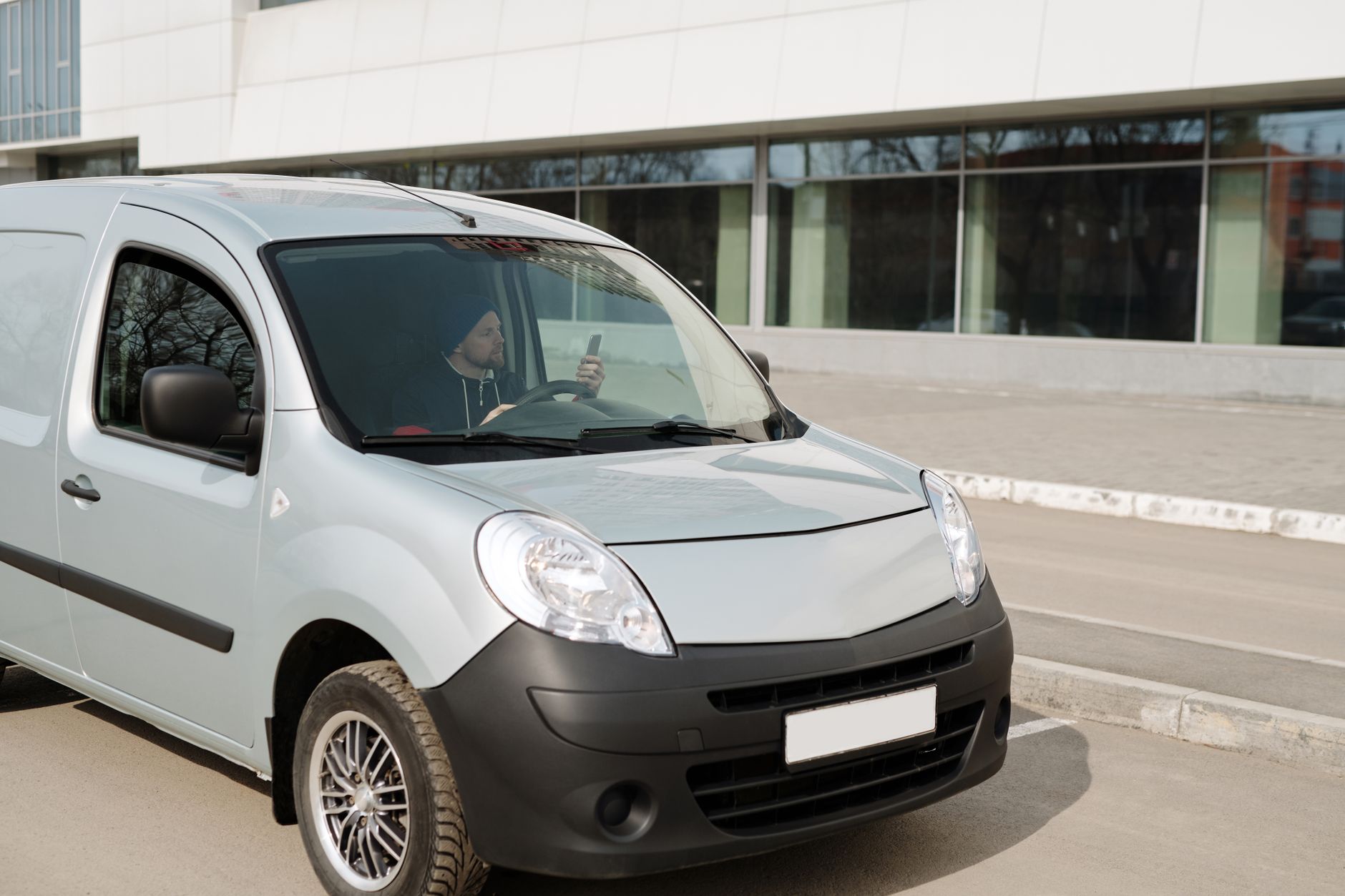
Speed to Lead: The 5-Minute Window That Wins or Loses the Job
Data shows that contacting an inbound lead within 5 minutes makes you 100 times more likely to close the job than waiting 30 minutes. In home services, that window is even tighter. Here is the consumer psychology behind emergency call response.

AIRI
When a homeowner’s air conditioning shuts off on a 100-degree July afternoon in Phoenix, or a cast iron drain line backs up raw sewage into a ground-floor shower, the traditional rules of consumer purchasing evaporate.
In normal commercial retail, buyers conduct deliberate research. They read reviews, compare pricing options, consult family members, and wait a day or two before making a decision.
In emergency residential trade services, none of that happens.
The homeowner’s evaluation window is compressed into minutes of acute anxiety. They are not shopping for a brand; they are searching for immediate relief from an active domestic disruption. Under these conditions, the single most decisive competitive advantage is not your Google rating, your years in business, or the size of your fleet.
It is speed to lead.
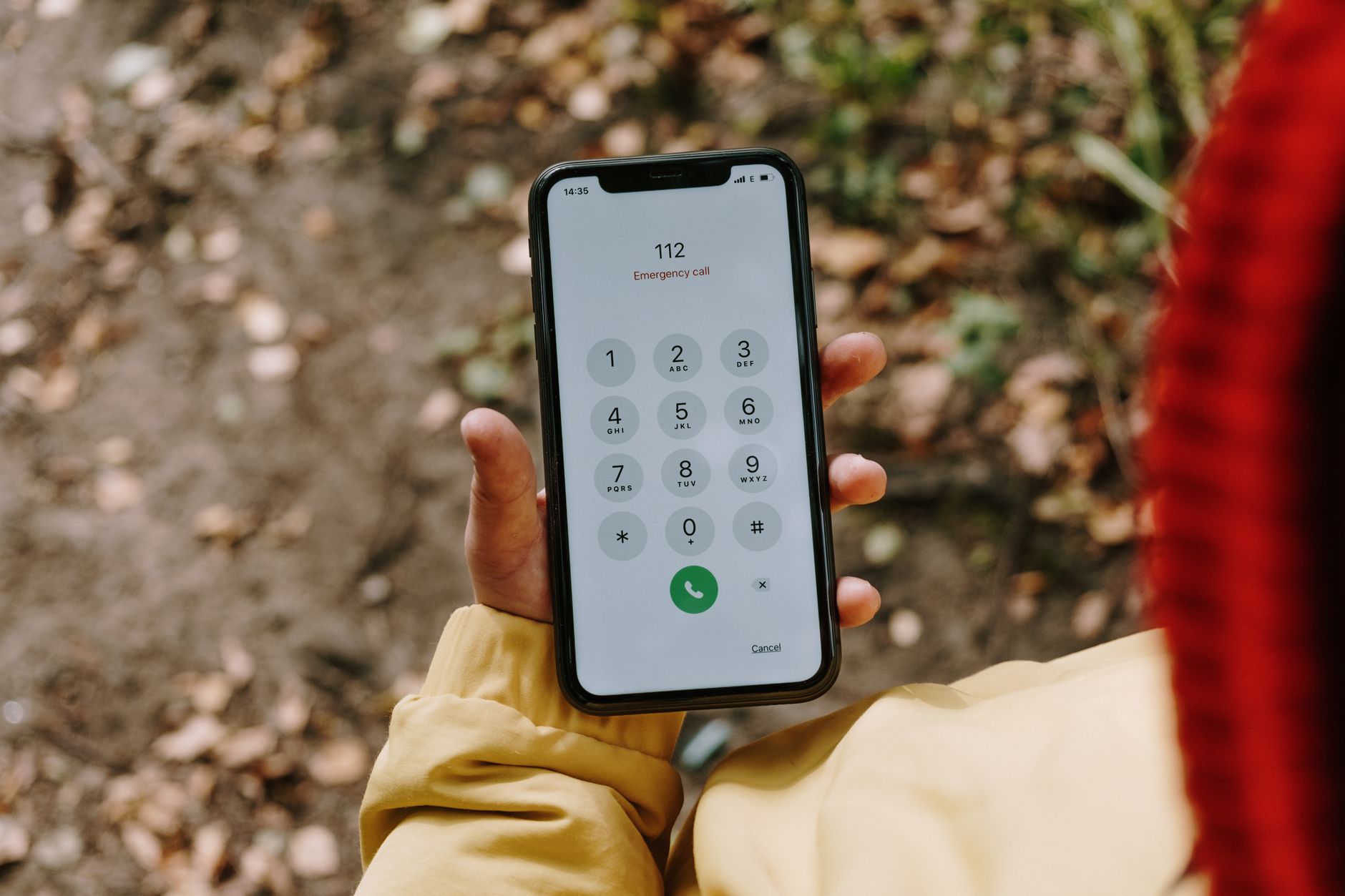
The Decay Schedule: 5 Minutes vs. 30 Minutes
The landmark empirical study on inbound lead responsiveness, conducted by James Oldroyd, Kristina McElheran, and David Elkington and published in the Harvard Business Review, examined over 1.25 million sales inquiries.
Their findings established a standard benchmark for commercial responsiveness:
Enterprises that attempt to contact inbound leads within 5 minutes of initiation are nearly 100 times more likely to establish contact and 21 times more likely to qualify the prospect than those waiting just 30 minutes.
Between minute 5 and minute 10 alone, the odds of establishing live contact fall by a factor of five.
In residential contracting, this decay curve is accelerated dramatically by search engine design. When a homeowner opens Google on a smartphone, the local search results display three verified local contractors with direct "Call" buttons.
If the first business does not answer within four rings, the customer does not wait. They tap back to the search results and tap the next phone icon.
| Response Window | Live Contact Rate | Customer Commitment Rate | Net Effective Booking Rate |
|---|---|---|---|
| Live Answer (< 20 seconds) | 100.0% | 48.0% | 48.0% (Baseline) |
| 5-Minute Callback | 71.0% | 38.0% | 27.0% |
| 15-Minute Callback | 36.0% | 31.0% | 11.2% |
| 2-Hour Callback | 16.0% | 20.0% | 3.2% |
| Next-Morning Callback | 5.5% | 12.0% | 0.7% |
Notice the cliff between live answering and a 15-minute callback. At 15 minutes, your probability of booking the job collapses from 48% down to 11.2%—a relative capture efficiency loss of nearly 77%.
By the two-hour mark, your effective booking rate drops to 3.2%. By the next morning, returning the call is essentially a waste of administrative time: less than 1% of callers are still uncommitted.
The 78% Rule: The First Responder Advantage
Field service tracking across thousands of residential plumbing and HVAC inquiries confirms a predictable consumer dynamic: the first contractor to answer the phone and commit to an arrival window wins roughly 78% of emergency jobs.
Why is the first-responder win rate so overwhelmingly high?
1. Relief Terminates the Search
Once an anxious homeowner speaks to a competent representative who confirms a technician can arrive between 2:00 PM and 4:00 PM, their psychological panic subsides. The problem has a scheduled solution. They stop searching, close their mobile browser, and return to managing their household.
2. Multi-Vendor Fatigue
Nobody enjoys calling contractors. Explaining that a water heater is weeping rust-colored water or describing the strange humming sound coming from a heat pump requires emotional effort. Once a customer has explained their crisis to a live voice, they have zero interest in repeating the story to two more companies.
3. The Cancellation Friction
Even if a second contractor calls back ten minutes later offering a slightly lower diagnostic fee, the homeowner rarely cancels the first company. Canceling feels uncomfortable and re-introduces uncertainty. The initial responder keeps the booking.
Immediate cash drain + forfeited gross margin
Losing ten jobs a week across an average repair ticket of $450 represents $4,500 in weekly cash flow permanently forfeited solely to response latency.
Why Speed to Lead Cannot Rely on Human Technicians
Knowing that speed to lead is decisive does not solve the contractor's physical dilemma.
A solo plumbing contractor replacing a corroded cast iron cleanout under a crawlspace cannot drop their wrench every six minutes to take a call. An HVAC technician troubleshooting high-voltage capacitors on a rooftop cannot safely handle a phone while balancing tools.
Attempting to achieve a 5-minute response time manually creates two dangerous outcomes:
- Field safety violations: Technicians distracted on ladders or near energized distribution panels.
- Substandard customer intake: Rushed, breathless conversations where the technician forgets to collect key diagnostic details or quotes incorrect pricing in a hurry to get off the phone.
The Automated Solution: Instant Pickup on Ring Two
Modern trade fleets solve the speed-to-lead problem not by working faster, but by deploying autonomous voice technology that never lets a call ring past second 10.
AIRI is an AI receptionist built specifically for residential trade contractors.
When a prospective customer calls your business number:
- Instant Pickup: AIRI answers on ring two, 24 hours a day, 7 days a week.
- Technical Triage: AIRI asks the exact qualifying questions you need—identifying whether a leak is pressurized, screening equipment age, and noting refrigerant type.
- Automated Scheduling: AIRI quotes your standard diagnostic fees, checks your real-time calendar, and books confirmed dispatch slots directly into your workflow.
Your prospective client gets an immediate, reassuring human conversation that locks in the job before they ever consider dialing your competitor.
Win the First-Responder Game on Every Single Call
In emergency home services, whoever answers first takes the revenue. Whoever calls back late gets an answering machine.
AIRI gives your contracting business instant 2-second voice pickup, automated emergency triage, and seamless appointment booking for a flat $199/month.
Start your 7-day free trial of AIRI →
No credit card required. Takes less than 5 minutes to set up — go live in under 10 minutes.
Written by AIRI
AIRI is the 24/7 AI phone receptionist built for trade contractors. We write practical guides to help plumbers, HVAC techs, electricians, and roofers run a tighter business and never miss a paying job.
Try AIRI free for 7 days →
Stop losing $5,000 jobs
to voicemail.
AIRI picks up on ring two, qualifies emergencies, quotes your rates, and books appointments — while you stay on tools.
Takes less than 5 minutes to set up · Go live in under 10 minutes · No credit card required