
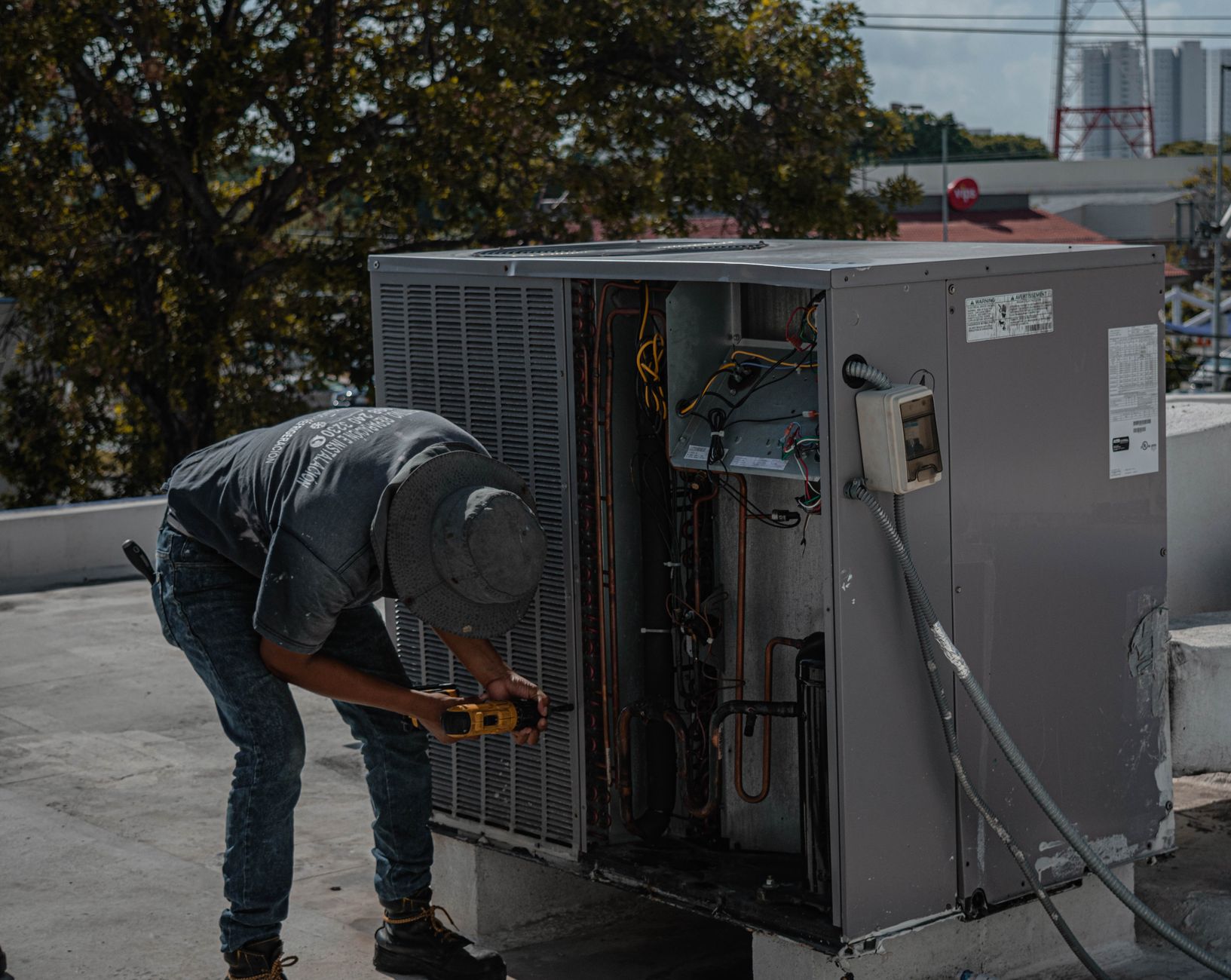
HVAC Call Surge: How to Handle 500% More Calls on the First Hot Day
When the thermometer hits 90°F for the first time in spring, residential HVAC call volume surges by 500% in 48 hours. Here is the operational triage playbook to book high-margin replacements without burning out your technicians.

AIRI
Every seasoned HVAC contractor knows the date before looking at the calendar.
It’s the second week of May or the first week of June. The forecast calls for 91°F with high humidity—the first sustained heat of the season.
Inside thousands of residential attics and basements, systems that sat dormant through five months of winter are switched on simultaneously. Weakened dual-run capacitors blow their internal dielectric fluid. Sticky compressor contactors arc and weld shut. Dried-out condensate drain lines clog with dormant algae, tripping safety float switches and flooding ceilings.
Within ninety minutes of sunrise, your business phone begins ringing every 45 seconds.
Between 7:00 AM Monday and 8:00 PM Tuesday, an average three-truck residential HVAC shop receives between 250 and 400 inbound calls—a 500% spike above baseline volume.
How you handle those 48 hours determines your company's profitability for the entire summer.
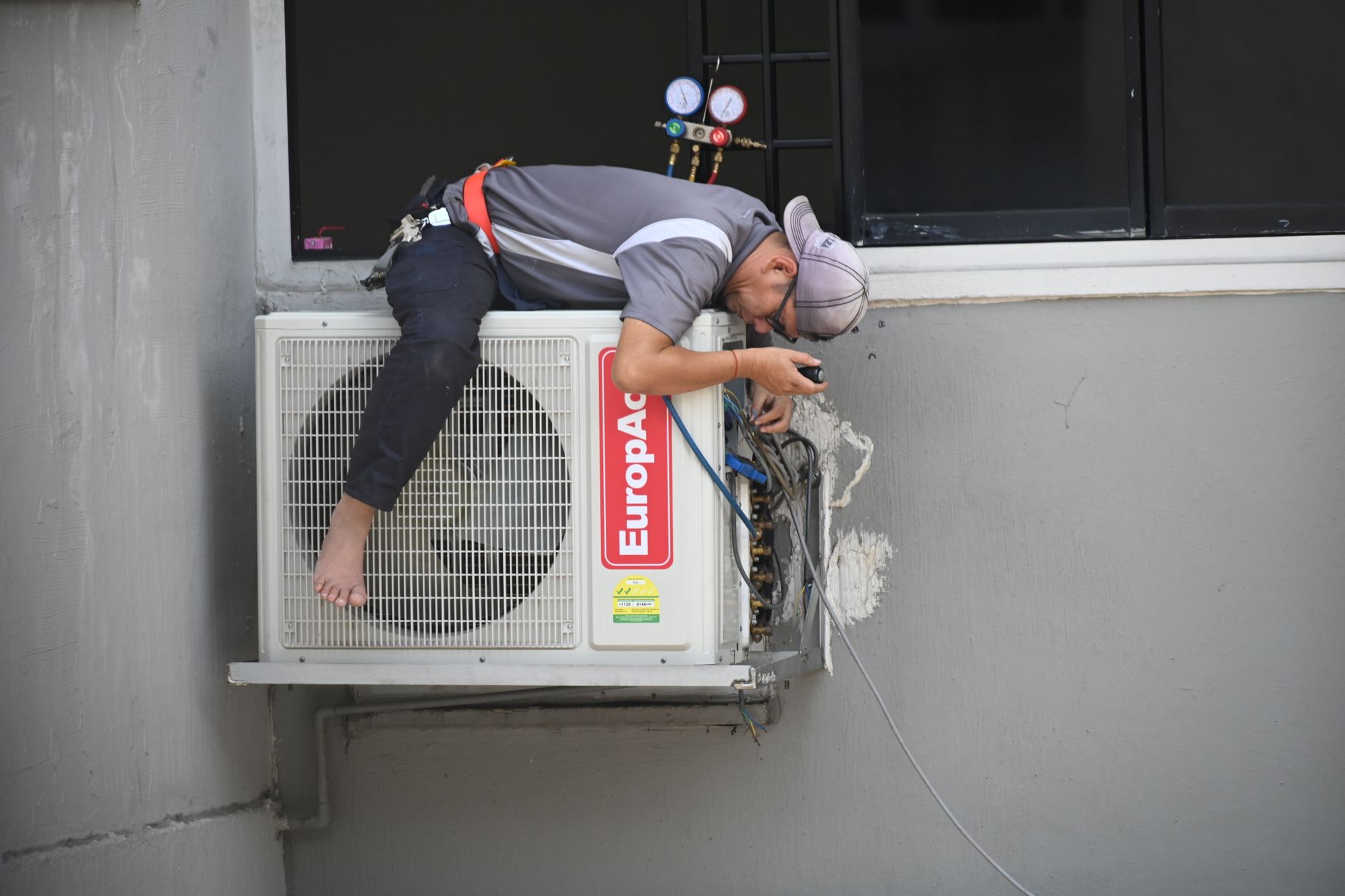
The First 90°F Trap: Why Most Shops Collapse
When demand spikes 500%, shops that rely on human dispatchers or cell phone forwarding inevitably suffer operational gridlock:
- The Voicemail Cliff: A single office dispatcher or spouse cannot answer three simultaneous calls. Lines roll to voicemail. Because 85% of callers with an 84-degree living room refuse to wait, they immediately dial the next contractor on Google.
- Low-Ticket Route Congestion: Technicians are dispatched haphazardly to minor $145 capacitor replacements or dirty filter calls on 3-year-old units, leaving them unavailable when an owner of an unrepairable 18-year-old R-22 system calls ready to spend $11,000 on an immediate swap.
- Dispatcher Burnout: Receptionists endure eight hours of continuous verbal abuse from overheated, impatient homeowners, leading to rushed intake and chaotic dispatch scheduling.
Immediate cash drain + forfeited gross margin
Surrendering $263,000 in gross market demand in two days is not an exaggeration. It is the mathematical reality of running a mechanical business with a single-channel phone system during a regional weather surge.
The $5,000 Rule: Intelligent Triage
To extract maximum gross margin from a weather surge without killing your crew, your intake system must apply The $5,000 Rule.
The rule is simple: Identify high-probability replacement opportunities within the first 60 seconds of the call, and prioritize their dispatch.
Your intake protocol must screen every incoming caller through three rapid diagnostic filters:
Filter 1: Equipment Age
"How old is your outdoor air conditioning unit?"
- Under 8 years: High probability of a minor electrical component failure (capacitor, contactor, fuse). Schedule for standard service runs.
- Over 12 years (or R-22 refrigerant): High probability of compressor failure, coil corrosion, or obsolete parts. This is a potential $9,000 to $14,000 replacement. Assign to your senior comfort advisor or lead tech.
Filter 2: The Float Switch Check
"Is there water standing in the drain pan under your indoor unit in the attic or closet?"
- If yes, instruct the homeowner to vacuum the outdoor PVC drain line or schedule a rapid 30-minute drain flush. Do not waste a senior diagnostic technician's afternoon on a clogged drain line.
Filter 3: The Circuit Breaker Diagnostic
"Has the circuit breaker in your electrical panel tripped to the OFF position?"
- If the breaker tripped and trips again immediately upon reset, the compressor motor windings have grounded. The compressor is dead. This is an immediate capital replacement call.
The False Economy of Temporary Call Staff
Contractors often attempt to survive summer surges by hiring temporary office workers or college students to answer extra phones.
This creates more problems than it solves:
- Temporary staff do not understand the difference between a heat pump and a straight-cool AC.
- They quote incorrect diagnostic fees or promise unrealistic arrival times.
- They require training, equipment, and desk space that sits idle for the remaining ten months of the year.
How AIRI Scales Infinitely During Heatwaves
You cannot hire three extra full-time dispatchers for a three-day heatwave. But you cannot afford to send 200 high-ticket leads to voicemail, either.
AIRI handles heatwave volume autonomously:
- Unlimited Concurrent Lines: AIRI can answer 15 incoming calls simultaneously at 2:15 PM without placing a single customer on hold.
- Automated Triage Protocols: AIRI executes The $5,000 Rule natively—asking the homeowner their unit age, symptoms, and refrigerant type.
- Smart Priority Routing: Routine maintenance is booked into shoulder slots; high-ticket replacements on aging systems are flagged immediately for prompt priority dispatch.
When the temperature hits 95°F, your phones never ring out, your dispatch board stays organized, and your shop captures the most profitable jobs in town.
Capture Every Lead on the Busiest Day of the Year
Never let an attic heatwave overwhelm your front office again.
AIRI gives you unlimited concurrent voice answering, automated mechanical triage, and 24/7 calendar booking for a flat $199/month.
Start your 7-day free trial of AIRI →
No credit card required. Takes less than 5 minutes to set up — go live in under 10 minutes.
Written by AIRI
AIRI is the 24/7 AI phone receptionist built for trade contractors. We write practical guides to help plumbers, HVAC techs, electricians, and roofers run a tighter business and never miss a paying job.
Try AIRI free for 7 days →
Stop losing $5,000 jobs
to voicemail.
AIRI picks up on ring two, qualifies emergencies, quotes your rates, and books appointments — while you stay on tools.
Takes less than 5 minutes to set up · Go live in under 10 minutes · No credit card required